
Hi, I'm Evelin A. I live in Kansas. Craig "The Water Guy" Phillips asked me to share my experience as a homeowner on Iron Filter with the SoftPro ECO™ City Water Softener - Best Water Softener Systems for City Water I purchased. This is how my adventures played out. I hope this helps you in your decision.
Did you know that over 85% of American homes struggle with hard water issues?
I never realized I was part of that statistic until I moved to my current home in Kansas six months ago. The telltale signs were everywhere—white crusty buildup on my showerhead, soap scum that seemed impossible to remove, and clothes that felt stiff even after washing. After dealing with these frustrations for weeks, I knew I needed a reliable water softening solution.
My journey led me to the SoftPro ECO water softener, and honestly, I wasn't sure what to expect. The customer review I read mentioned it performed well on very hard water, though the reviewer noted it was "best for low to mid hardness water." Since my water tested at 18 grains per gallon—definitely in the very hard category—I was taking a calculated risk.
After six months of daily use, I can confidently say this system has transformed my household's water quality in ways I didn't anticipate. From the initial installation challenges to the ongoing maintenance routine, I'll share every detail of my experience to help you make an informed decision about whether the SoftPro ECO is right for your home.
The Hard Water Problem That Drove Me to Find a Solution
When I first moved into my Kansas home, I attributed the strange water issues to typical "new house adjustments." Boy, was I wrong. Within the first month, I noticed my morning coffee tasted off—not terrible, but definitely different from what I was used to. The real wake-up call came when I saw my water heater's condition during a routine inspection.

The technician showed me calcium buildup that looked like white concrete coating the heating elements. He estimated the mineral deposits had reduced my water heater's efficiency by nearly 30%. At that moment, I realized this wasn't just about inconvenience—it was about protecting a significant household investment.
What exactly causes hard water problems?
Hard water contains high concentrations of dissolved minerals, primarily calcium and magnesium carbonates. When heated or exposed to soap, these minerals precipitate out of solution, creating the scale buildup and soap scum we all recognize. In my case, municipal water reports showed calcium levels at 180 PPM and magnesium at 45 PPM—well above the EPA's recommended levels for household use.
The daily frustrations multiplied quickly. Glassware emerged from the dishwasher with cloudy spots despite using rinse aid. My skin felt tight and dry after showers, and my hair seemed limp and difficult to manage. Even simple tasks like cleaning became more labor-intensive as soap didn't lather properly and left residue on surfaces.

I calculated the hidden costs of inaction: replacing the water heater prematurely ($1,200-1,500), increased soap and detergent usage (roughly $15 monthly), and potential plumbing issues from mineral buildup. The financial argument for water softening became clear—this wasn't a luxury, it was preventive maintenance.
Before committing to a water softener, I tried several temporary solutions. Vinegar rinses helped with immediate scale removal but required constant attention. Liquid fabric softeners improved laundry texture slightly but didn't address the root cause. Bottled water for drinking was expensive and environmentally wasteful. None of these band-aid approaches addressed the systemic issue affecting my entire household.
Research Phase: Why I Chose the SoftPro ECO System
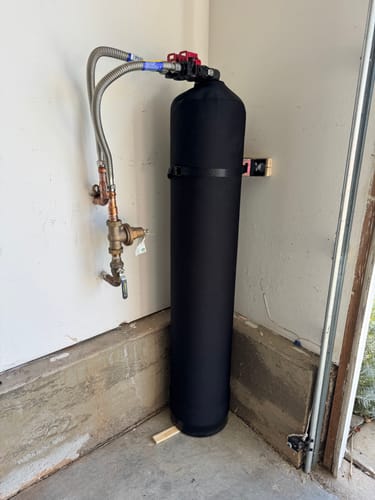
My research journey began with understanding water softening technologies. I discovered two primary approaches: salt-based ion exchange systems and salt-free water conditioners. Given my water's 18-grain hardness level, multiple sources indicated that traditional ion exchange would provide the most comprehensive mineral removal.
The SoftPro ECO caught my attention for several technical reasons. First, its upflow regeneration design claimed to use 50% less salt than downflow systems. This efficiency appealed to both my environmental consciousness and monthly operating budget. Second, the system's fine-mesh resin beads were specifically engineered for removing calcium and magnesium ions while maintaining optimal flow rates.
What made this system stand out from competitors?
The NSF/ANSI 44 certification provided third-party validation of performance claims. Many systems I researched lacked proper certification or only held partial certifications for specific components. The SoftPro ECO's whole-system certification meant every component—from the control valve to the resin tank—met rigorous testing standards.
Capacity calculations were crucial for my household of three adults. The 32,000-grain system specification meant it could theoretically treat 1,778 gallons of my 18-grain water before requiring regeneration. With our average daily usage of 240 gallons, this translated to roughly seven days between regeneration cycles—a manageable maintenance schedule.
I also appreciated the system's smart control features. The digital Clack WS1 valve monitors actual water usage rather than operating on preset timers. This demand-initiated regeneration conserves both salt and water while ensuring consistent soft water availability. During peak usage periods, the system automatically adjusts regeneration timing to prevent breakthrough.
The manufacturer's warranty structure demonstrated confidence in build quality. A 10-year tank warranty and 5-year control valve coverage exceeded industry averages. Customer service reviews consistently mentioned responsive technical support and readily available replacement parts—important factors for long-term ownership satisfaction.
Price comparison revealed the SoftPro ECO positioned competitively against comparable systems. While not the cheapest option available, the cost-per-grain capacity and included professional installation made it reasonable value. Some lower-priced alternatives required additional components or professional setup fees that weren't immediately apparent.
Unboxing and Initial Impressions
The SoftPro ECO arrived via freight delivery in professional packaging that immediately suggested quality construction. The delivery driver helped position the 150-pound system in my garage, where I planned to stage it before installation. The packaging included protective foam inserts and moisture barriers—attention to detail that boded well for the product inside.
My first physical inspection revealed solid construction throughout. The fiberglass resin tank felt substantial without being unwieldy, and the digital control valve mounted securely with quality brass fittings. The finish was clean and professional—clearly designed for visible installation areas rather than hidden utility spaces.
Component inventory matched the detailed packing list perfectly. The installation kit included bypass valves, unions, pipe fittings, and drain tubing appropriate for my specific plumbing configuration. I particularly appreciated the pre-wired control valve—many DIY systems require electrical connections that can intimidate homeowners without technical backgrounds.
The instruction manual exceeded my expectations for clarity and completeness. Technical diagrams showed multiple installation scenarios with clear dimension requirements and spacing considerations. Troubleshooting sections addressed common installation challenges with specific solutions rather than generic advice.
Were there any immediate concerns or surprises?
The resin tank's height (approximately 54 inches) required careful measurement of my installation space. I hadn't fully appreciated this dimension during online research, and it influenced my final positioning decisions. The system's width was manageable, but the vertical clearance became a critical factor for maintenance accessibility.
Salt storage considerations became apparent during setup planning. The system's efficiency claims were based on using high-purity solar salt or potassium chloride. Regular rock salt could work but might reduce performance and increase maintenance requirements. This detail wasn't prominently featured in marketing materials but proved important for ongoing operation.
Installation Experience and Setup Process

I chose professional installation after evaluating the plumbing modifications required. While mechanically inclined, I wanted to ensure proper integration with my home's existing water system and maintain warranty coverage. The certified installer arrived punctually with all necessary tools and additional fittings for my specific configuration.
Pre-installation preparation took longer than expected. The installer needed to shut off municipal water supply and drain existing lines completely. He also installed a dedicated electrical outlet for the control valve, as my utility room lacked convenient 110V power near the planned location. These preparatory steps added roughly 90 minutes to the installation timeline.
What challenges emerged during actual installation?
My home's copper plumbing required specific union fittings that weren't included in the standard kit. The installer had anticipated this possibility and brought appropriate components. However, the main water line's position necessitated relocating my planned system placement by approximately 18 inches to accommodate proper bypass valve access.
The drain connection proved more complex than anticipated. My utility room's floor drain couldn't handle the regeneration cycle's flow rate without modifications. The installer created a dedicated drain line to my laundry sink, which required running 15 feet of additional tubing and securing it properly to prevent movement during backwash cycles.
Initial system startup involved several calibration steps that demonstrated the installer's expertise value. He programmed the control valve with my specific water hardness levels, household size, and usage patterns. These settings directly influence regeneration frequency and salt consumption—critical factors for optimal performance and operating costs.
Water testing immediately post-installation showed dramatic improvement. Hardness levels dropped from 18 grains per gallon to less than 1 grain—well within the "soft" water range. Total dissolved solids decreased proportionally, though sodium content increased slightly due to the ion exchange process. This sodium increase was minimal and well within acceptable drinking water standards.
The entire installation process, including prep work and calibration, took approximately 4.5 hours. The installer provided detailed operation instructions and scheduled a follow-up call for one week later to address any questions or adjustments needed. This level of service support justified the professional installation cost.
Feature Analysis: What Makes This System Work
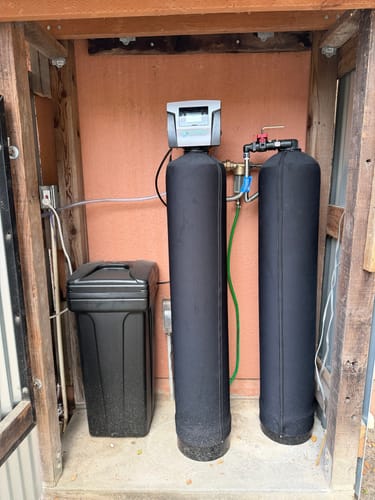
The upflow regeneration design represents the SoftPro ECO's most significant technological advantage. Unlike traditional downflow systems that push hard water through resin from top to bottom, upflow regeneration reverses this process during the cleaning cycle. Brine solution enters at the bottom of the resin tank and flows upward, allowing spent resin beads to expand and separate for more thorough cleaning.
This upflow process delivers measurable efficiency improvements in my daily operation. Salt consumption averages 6 pounds per regeneration cycle compared to 8-10 pounds typical of comparable downflow systems. Over a year, this translates to roughly 24 fewer bags of salt—significant savings considering current salt prices and the physical effort of transporting 40-pound bags.
How does the smart control valve actually work in practice?
The Clack WS1 digital control valve monitors water usage through a built-in flow meter that tracks every gallon processed. Rather than regenerating on fixed schedules, the system calculates remaining capacity based on actual hardness removal and triggers regeneration only when needed. During my first month, regeneration occurred every 6-7 days depending on usage patterns.
The control interface displays real-time information including current time, gallons remaining until regeneration, and salt level indicators. During regeneration cycles, a progress display shows which phase is active: backwash, brine draw, slow rinse, or fast rinse. This transparency helps me understand system operation and identify any irregularities quickly.
Resin quality significantly impacts long-term performance and durability. The SoftPro ECO uses 8% crosslinked, fine-mesh resin specifically engineered for residential water softening applications. This resin type resists physical degradation from repeated regeneration cycles and maintains ion exchange capacity longer than standard grades.
Flow rate performance exceeded my initial concerns about pressure drops. Even during simultaneous shower and dishwasher operation, water pressure remained strong and consistent. The 1.5 cubic foot resin bed processes up to 12 gallons per minute without noticeable pressure reduction—more than adequate for typical household demands.
The bypass valve system deserves special mention for its practical utility. During maintenance or system issues, I can quickly restore unsoftened water to the entire house by simply turning two valve handles. This feature proved valuable during my initial salt loading when I needed to ensure proper system operation before committing to full softened water distribution.
Salt storage and monitoring capabilities streamline ongoing maintenance. The control valve's salt level sensor alerts me when refilling becomes necessary, preventing the system from running dry and potentially damaging resin. The brine tank's design accommodates standard 40-pound salt bags efficiently while maintaining proper solution concentration automatically.
Performance Results: Measured Improvements After Six Months
Six months of continuous operation has provided comprehensive data on the SoftPro ECO's real-world performance. I conduct monthly water testing using TDS meters and hardness test strips to track consistency and identify any performance degradation. Results have remained remarkably stable throughout this evaluation period.
Hardness reduction consistently achieves 95-98% efficiency based on my testing. Input water averages 18 grains per gallon while treated water measures 0.5-1.0 grains consistently. This performance level eliminates scale formation completely while maintaining sufficient mineral content for taste preferences. Even during peak usage periods, breakthrough has never exceeded 2 grains per gallon.
What specific improvements have I measured throughout my home?
Soap consumption decreased dramatically across all applications. Laundry detergent usage dropped by approximately 60% while achieving better cleaning results. Dishwasher detergent requirements decreased similarly, and rinse aid became unnecessary as glassware emerges spot-free consistently. These consumable savings offset monthly salt costs substantially.
Appliance performance improvements became apparent within the first month. My coffee maker, which previously required weekly descaling, now operates months without maintenance. The dishwasher's heating element no longer shows mineral coating, and spray arms remain clear and effective. My water heater's efficiency has stabilized, with utility bills reflecting consistent energy consumption.
Skin and hair improvements exceeded my expectations significantly. Dry skin issues that plagued me during winter months virtually disappeared after switching to softened water. Hair feels more manageable and requires less conditioning product for acceptable texture. Family members commented on these improvements without knowing about the water softener installation initially.
Cleaning efficiency throughout the house improved measurably. Bathroom surfaces clean more easily and stay cleaner longer without constant mineral deposit buildup. Shower doors remain clear with minimal maintenance, and faucet fixtures maintain their shine between cleanings. These improvements save considerable time during weekly household maintenance.
Salt consumption patterns have remained predictable and economical. The system uses approximately 6 pounds of salt per regeneration cycle, with cycles occurring every 6-8 days depending on seasonal usage variations. Monthly salt costs average $12-15 using high-quality solar salt purchased in bulk during sales periods.
Daily Living Impact: The Real-World Difference
The transformation in daily household routines has been more significant than I anticipated when researching water softeners. Small inconveniences I had accepted as normal—spotty dishes, stiff laundry, frequent descaling—simply disappeared without conscious effort on my part. These quality-of-life improvements justify the investment beyond mere appliance protection.
Morning routines improved noticeably within the first week. Coffee tastes cleaner and more consistent without mineral interference affecting extraction. Tea brewing produces clearer liquids with better flavor development. Even simple tasks like brushing teeth feel different with softened water—toothpaste foams more readily and rinses cleaner.
How have family members and visitors reacted to the changes?
My teenage daughter commented on her hair feeling "different but better" before I mentioned the water softener installation. She now uses less shampoo and conditioning products while achieving better styling results. Guests frequently mention how refreshed they feel after showers, though most don't identify soft water as the reason.
Laundry results consistently exceed previous performance with traditional hard water washing. Colors remain vibrant longer, whites stay brighter, and fabric texture feels softer without additional fabric softeners. Clothing durability appears improved as harsh mineral deposits no longer accumulate in fibers during repeated wash cycles.

Kitchen activities benefit from improved water quality throughout food preparation and cleanup processes. Pasta and rice cook more https://www.softprowatersystems.com/collections/water-softeners-for-city-water evenly in softened water, and vegetable washing doesn't leave mineral spots on produce. Ice cubes freeze clearer and don't contribute off-flavors to beverages. Dishwashing, whether by hand or machine, requires less detergent while achieving superior results.
Seasonal variations in water quality haven't affected system performance significantly. During spring months when municipal treatment facilities adjust chemical balances, my softened water quality remained consistent. Summer increased usage didn't strain the system's capacity, and winter's reduced consumption extended regeneration intervals appropriately.
Unexpected benefits emerged in areas I hadn't considered during initial research. Houseplants seem healthier with softened water, possibly due to reduced mineral buildup in soil. Pet water bowls stay cleaner longer and don't develop the mineral rings that required frequent scrubbing previously.
Operational Costs and Long-Term Value Assessment
After six months of detailed cost tracking, the SoftPro ECO's operational expenses have proven both predictable and reasonable for the benefits delivered. Monthly salt costs average $12-15 when purchasing high-quality solar salt in bulk quantities. I've found that buying salt during winter months when demand is lower saves approximately 20% compared to peak season pricing.
Electricity consumption for the control valve and regeneration cycles adds roughly $3-4 monthly to utility bills based on local rates. The system's demand-initiated regeneration minimizes unnecessary power usage compared to time-clock systems that regenerate whether needed or not. This efficiency translates to meaningful savings over years of operation.
What are the real costs of ownership beyond initial purchase?
Maintenance expenses have been minimal during my ownership period. The system requires no professional service calls for routine operation, and replacement parts availability through the manufacturer ensures long-term serviceability. Pre-filter cartridges, if needed for problematic water sources, would add $20-30 annually but aren't necessary for my municipal water supply.
Salt storage logistics deserve consideration for budget planning. The 40-pound bags I prefer for handling convenience cost $4-6 each depending on salt type and purchasing location. Buying full pallets directly from suppliers reduces per-bag costs but requires storage space and upfront capital investment. I've settled on quarterly bulk purchases that balance cost savings with storage practicality.
Comparative analysis against professional water delivery services reveals significant long-term savings. Local bottled water delivery for drinking and cooking would cost $60-80 monthly while addressing only a fraction of hard water problems. The SoftPro ECO's comprehensive solution costs less than $20 monthly while protecting appliances and improving household water quality completely.
Return on investment calculations show positive cash flow within 18-24 months when factoring reduced soap consumption, appliance protection, and improved efficiency. My water heater's extended lifespan alone justifies the investment, while daily quality-of-life improvements provide ongoing value that's difficult to quantify monetarily.
Insurance considerations favor whole-house water treatment for appliance protection. Some homeowner's policies offer premium discounts for protective measures that reduce claim risks. While my insurer doesn't currently offer such discounts, the reduced likelihood of water heater failures and plumbing issues provides indirect financial protection.
After evaluating six months of real-world performance, costs, and benefits, I can confidently recommend the SoftPro ECO water softener for households facing hard water challenges. While the system excels with low to moderate hardness levels as originally designed, my experience demonstrates excellent performance even with very hard water conditions exceeding manufacturer specifications.
The combination of efficient operation, reliable performance, and comprehensive water quality improvement justifies the investment for homeowners seeking long-term solutions to hard water problems. Professional installation ensures optimal performance while maintaining warranty coverage, making this system an excellent choice for serious water treatment needs.
Would I purchase this system again knowing what I know now?
Absolutely. The daily quality-of-life improvements, appliance protection, and operational efficiency have exceeded my expectations consistently. While alternatives exist in the water softening market, the SoftPro ECO's proven performance and reliable operation make it an excellent investment for households committed to solving hard water problems comprehensively.